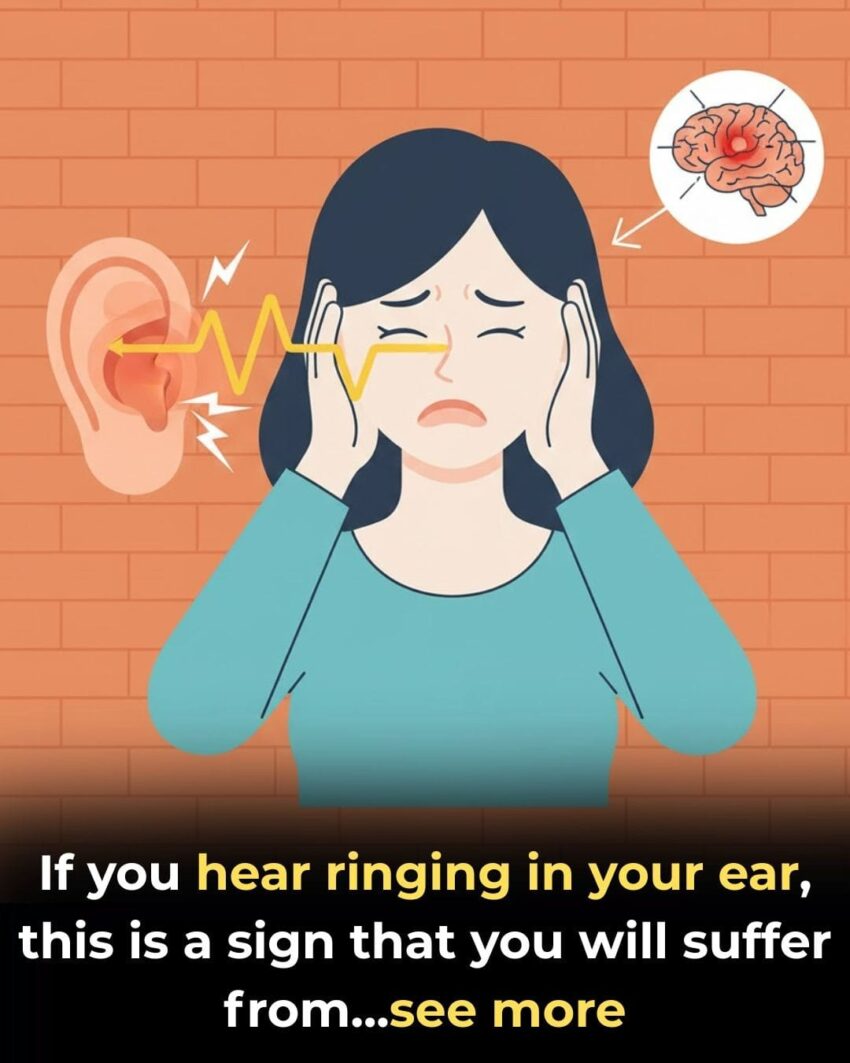
Ah, you’re talking about ringing in the ear, which is medically called tinnitus. Let’s break it down clearly.
🔹 What It Is
Tinnitus is the perception of sound (ringing, buzzing, hissing, clicking, or humming) without an external source.
It can be in one ear or both and can be constant or intermittent.
🔹 Common Causes
- Hearing loss
- Age-related (presbycusis) or noise-induced
- Ear problems
- Earwax blockage
- Ear infections
- Eustachian tube dysfunction
- Medications (ototoxic drugs)
- High-dose aspirin, certain antibiotics, chemotherapy drugs, NSAIDs
- Circulatory issues
- High blood pressure, atherosclerosis, turbulent blood flow near the ear
- Stress and anxiety
- Can make tinnitus more noticeable or severe
- Other causes
- TMJ disorders (jaw problems)
- Head or neck injuries
🔹 When to See a Doctor
- Sudden onset of tinnitus, especially with hearing loss or dizziness
- Tinnitus only in one ear
- Pulsatile tinnitus (sounds like heartbeat)
- Severe or worsening tinnitus that affects sleep or daily life
🔹 Management & Relief
- Address underlying cause (earwax removal, medication adjustment, treat high blood pressure)
- Sound therapy: white noise machines, fans, soft music to mask ringing
- Hearing aids: if tinnitus is linked to hearing loss
- Stress reduction: mindfulness, yoga, therapy
- Avoid triggers: loud noise, excessive caffeine, nicotine
⚠️ Key Points
- Tinnitus itself is not a disease, it’s a symptom.
- Most cases are benign, but it’s worth evaluation if sudden, one-sided, or pulsatile.
- Early evaluation can prevent complications and improve quality of life.
If you want, I can also explain why tinnitus happens in the brain and auditory system, which is fascinating and explains why some people “hear” it more than others. Do you want me to go into that?
