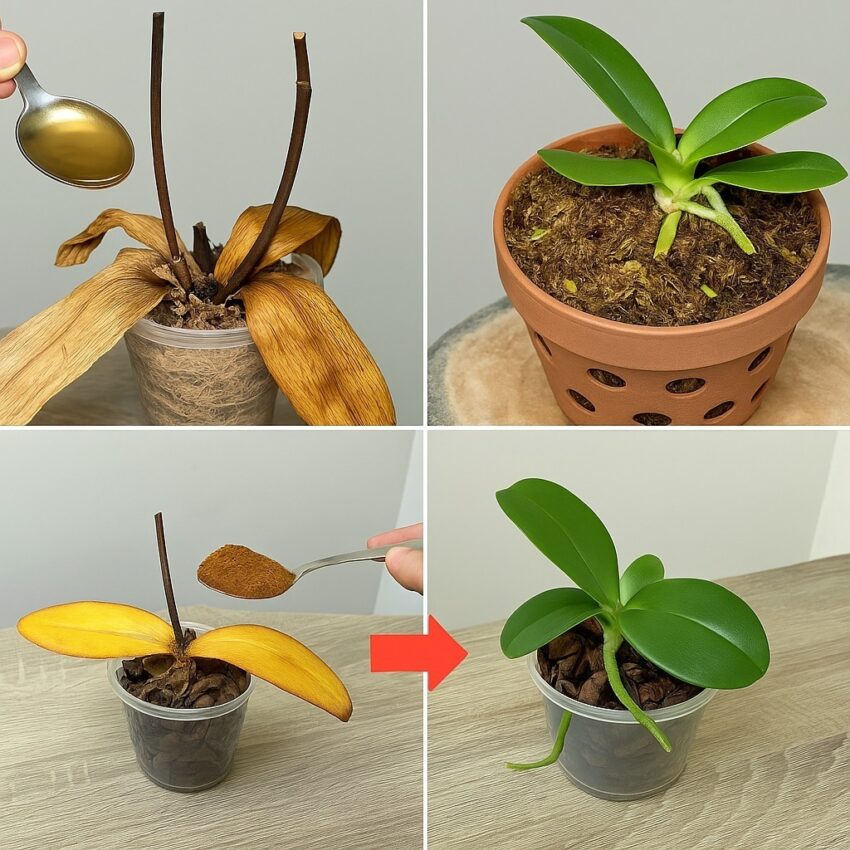
Here’s a complete guide to moth orchids (Phalaenopsis), one of the most popular and beginner-friendly orchids:
🌸 Overview
- Scientific Name: Phalaenopsis
- Common Name: Moth Orchid
- Family: Orchidaceae
- Origin: Southeast Asia, Philippines, northern Australia
- Growth Type: Monopodial (grows upward from a single stem)
- Blooming: Long-lasting flowers, often 6–12 weeks, sometimes multiple times per year
🌺 Appearance
- Flowers: Large, flat, and elegant, resembling moths in flight; colors vary widely—white, pink, purple, spotted, or patterned
- Leaves: Broad, thick, and leathery, dark green
- Roots: Thick, silvery-green aerial roots
🌿 Care Requirements
☀️ Light
- Bright, indirect light
- Avoid direct midday sun; morning or filtered light is ideal
- Leaves should be medium green; dark green = too little light, yellow = too much
💧 Water
- Water once per week (less in winter)
- Use room-temperature water
- Let potting medium dry slightly between waterings
- Avoid letting water sit in crown (center of the plant)
🌡️ Temperature
- Day: 70–85°F (21–29°C)
- Night: 60–70°F (16–21°C)
- Sensitive to sudden drafts or temperature swings
🌱 Potting Medium
- Orchid bark, sphagnum moss, or a mix
- Repot every 1–2 years after flowering or if medium breaks down
💦 Humidity
- 50–70% preferred
- Mist roots occasionally or use a humidity tray
🌸 Fertilizer
- Weak orchid fertilizer (¼–½ strength) every 1–2 weeks during growth
- Reduce fertilization during dormancy after bloom
🌼 Blooming Tips
- After flowers fade, leave the spike if it’s green; it may branch and bloom again
- Cut brown or yellow spikes back to base
- Provide slight nighttime temperature drop in fall to encourage blooming
⭐ Tips for Healthy Moth Orchids
- Ensure good air circulation
- Avoid overwatering — most Phalaenopsis die from root rot, not neglect
- Keep leaves clean for better photosynthesis
- Watch for pests: mealybugs, scale, spider mites
If you want, I can give you a step-by-step guide to getting your moth orchid to rebloom, including pruning, fertilizing, and environmental tricks to encourage more flowers.
Do you want me to do that?
