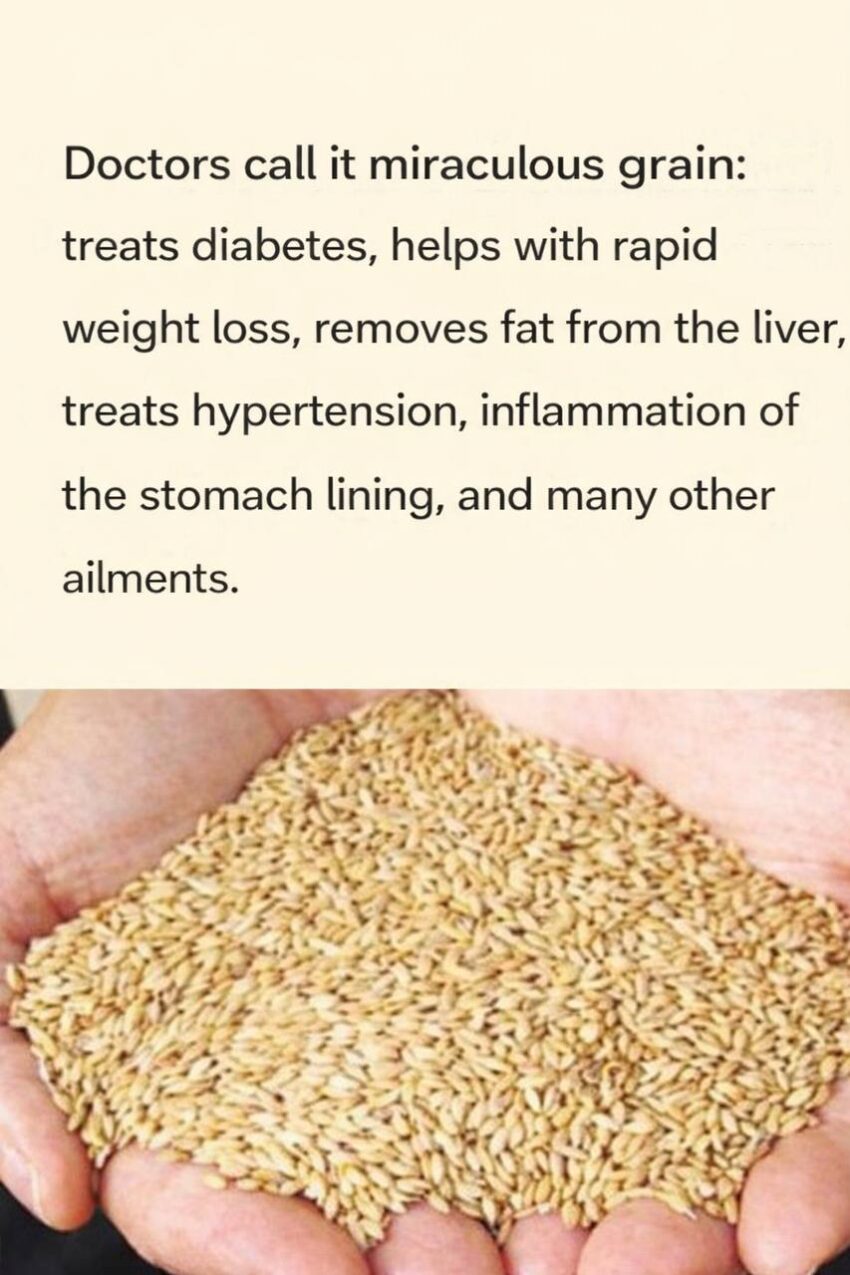
Here’s a detailed look at canary seed — a small but nutrient-packed seed with growing interest for health and culinary uses.
🌾 Canary Seed Overview
- Scientific Name: Phalaris canariensis
- Type: Small cereal grain, traditionally fed to birds (especially canaries)
- Origin: Mediterranean region, now grown worldwide
🔹 Nutritional and Health Benefits
- Rich in Protein
- Contains all essential amino acids, making it a good plant-based protein source.
- High Fiber Content
- Supports digestion, bowel regularity, and gut health.
- Gluten-Free Option
- Naturally gluten-free, making it suitable for people with celiac disease or gluten sensitivity.
- Potential Cardiovascular Support
- Some studies suggest blood pressure regulation and cholesterol-lowering effects due to its fiber and antioxidant content.
- Blood Sugar Management
- Fiber and protein help moderate post-meal blood sugar spikes.
🍽 Culinary Uses
- Human Consumption: Canary seeds have been dehulled and processed to make them safe to eat (raw can irritate the digestive tract).
- Forms: Flour, porridge, or added to baked goods and cereals.
- Bird Feed: Traditional use remains popular for feeding canaries and other small birds.
⚠️ Important Notes
- Raw seeds contain small silica hairs that can irritate the throat and digestive tract — always use hulled or processed seeds for human consumption.
- People with grain allergies should introduce carefully.
- Canary seeds are gaining attention in plant-based diets due to protein content, but widespread human consumption is still emerging.
If you want, I can make a quick guide on 5 ways to use canary seed in cooking and baking, including porridge and gluten-free recipes.
Do you want me to do that?
