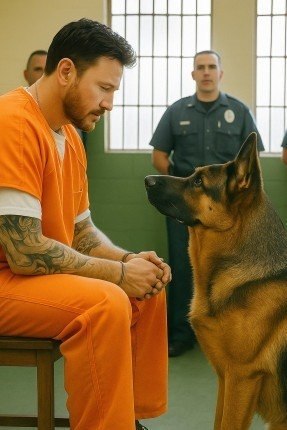
The German Shepherd is one of the most iconic and versatile dog breeds in the world. Here’s a thorough overview:
Overview
- Origin: Germany, late 19th century
- Purpose: Originally bred for herding sheep; now widely used in police, military, search-and-rescue, and service work
- Size: Large
- Males: 24–26 inches tall, 65–90 lbs
- Females: 22–24 inches tall, 50–70 lbs
- Life Expectancy: 9–13 years
Appearance
- Coat: Double coat — dense undercoat with a straighter outer coat
- Colors: Commonly black and tan, but can be sable, all-black, or all-white
- Build: Muscular, agile, with a slightly sloping back in some show lines
- Ears: Large and erect
- Tail: Bushy and slightly curved
Temperament
- Intelligent: Extremely trainable, often ranks among the smartest dog breeds
- Loyal & Protective: Forms strong bonds with family; makes an excellent guard dog
- Active: Needs daily physical and mental exercise to prevent boredom
- Confident & Courageous: Often unafraid of challenges, making them excellent working dogs
Health Considerations
- Hip & Elbow Dysplasia: Common in larger German Shepherds
- Degenerative Myelopathy: A spinal condition affecting older dogs
- Bloat (Gastric Dilatation-Volvulus): Risk for deep-chested dogs
- Allergies & Skin Issues: Can be prone to itching or hot spots
Care
- Exercise: At least 1–2 hours per day; mental stimulation (training, puzzle toys) is essential
- Grooming: Weekly brushing; more frequent during shedding seasons
- Training: Early socialization and obedience training are critical
- Diet: High-quality dog food, often adjusted for activity level
Fun Facts
- German Shepherds are the breed behind famous dogs like Rin Tin Tin and many police K9 units.
- They are often used in roles like guide dogs, therapy dogs, and search-and-rescue because of their intelligence and loyalty.
If you want, I can also make a quick personality guide for German Shepherds, so you know exactly what kind of owner lifestyle fits best with this breed. Do you want me to do that?
