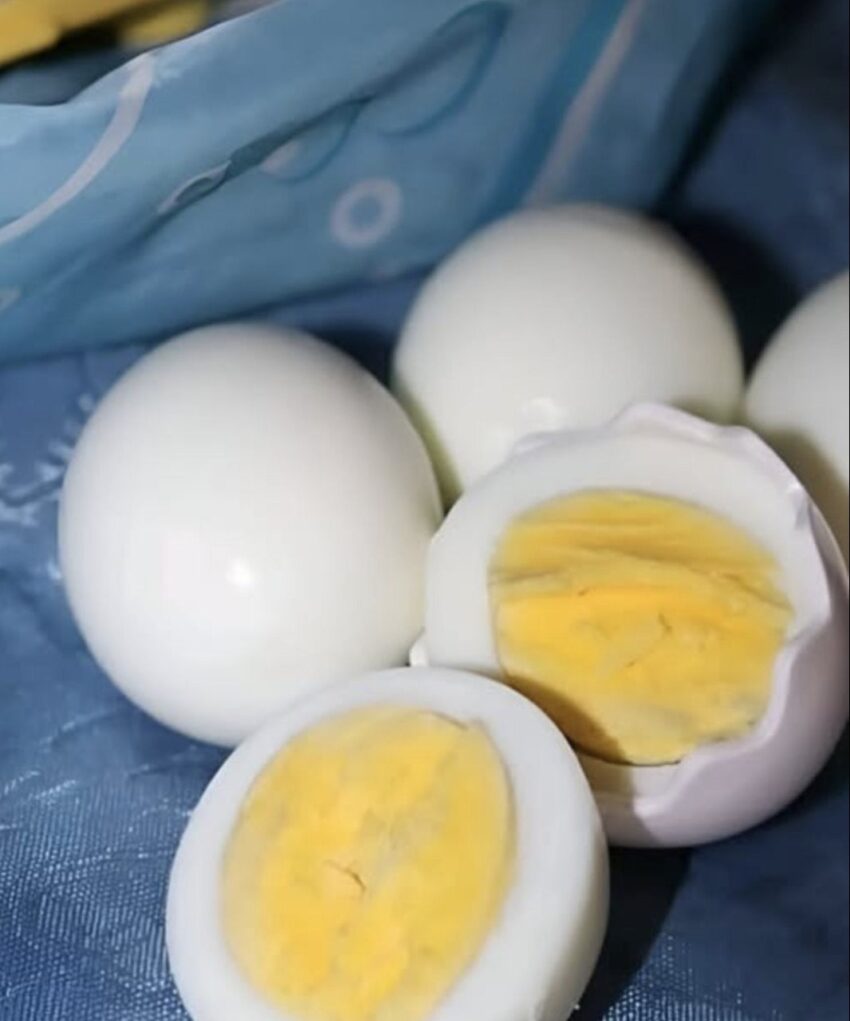
Here’s a thorough breakdown of the boiled egg—its types, nutrition, and tips for cooking perfectly:
Boiled Egg
What It Is
- A boiled egg is an egg cooked in its shell in boiling water until the white and yolk solidify.
- Eggs can be cooked to different degrees of doneness depending on preference.
Types of Boiled Eggs
| Type | Description | Cooking Time (in boiling water) |
|---|---|---|
| Soft-boiled | Runny yolk, slightly set white | 4–6 minutes |
| Medium-boiled | Partially set yolk | 6–8 minutes |
| Hard-boiled | Fully set yolk and white | 9–12 minutes |
Cooking times may vary slightly depending on egg size and altitude.
Nutritional Value (1 large boiled egg, ~50g)
- Calories: 68 kcal
- Protein: 6 g
- Fat: 5 g
- Carbohydrates: 0.6 g
- Cholesterol: ~186 mg
- Vitamins & Minerals: Vitamin A, B2, B12, D, phosphorus, selenium, choline
Eggs are a complete protein source and contain healthy fats and important micronutrients.
Health Benefits
- Supports muscle growth and repair
- Promotes brain health (rich in choline)
- Helps maintain eye health (lutein & zeaxanthin in yolk)
- Can aid weight management due to high protein content
How to Boil an Egg Perfectly
- Place eggs in a saucepan and cover with cold water.
- Bring to a boil over medium-high heat.
- Reduce heat and simmer based on desired doneness (see table above).
- Cool quickly in ice water for 5–10 minutes to stop cooking and make peeling easier.
Tips for Easy Peeling
- Use slightly older eggs; fresh eggs are harder to peel.
- Crack the shell gently and peel under running water.
- Rolling the egg lightly on a countertop helps loosen the shell.
💡 Fun Fact: Boiled eggs have been eaten for thousands of years and are a staple in breakfasts and snacks worldwide.
If you want, I can make a diagram showing soft, medium, and hard-boiled eggs with cooking times and yolk textures, which is a super handy visual guide.
Do you want me to make that diagram?
