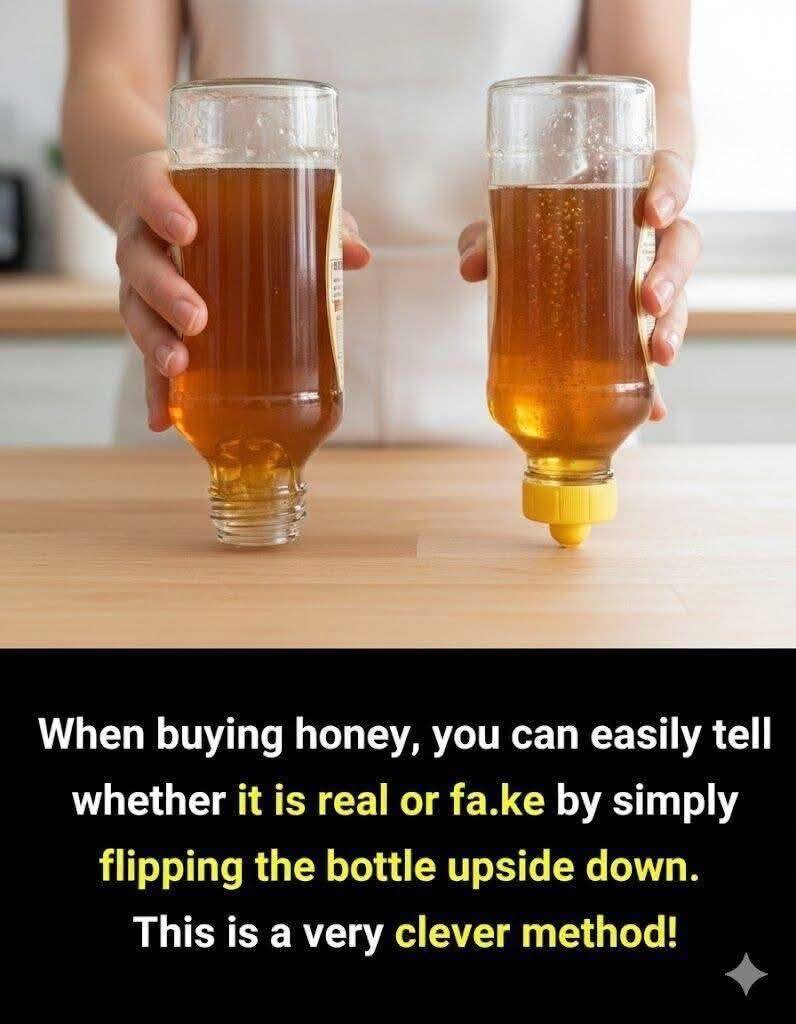
Here’s a detailed guide on determining the authenticity of honey—how to check if it’s pure or adulterated using simple tests and observations:
1. Why Authenticity Matters
- Pure honey is naturally sweet, nutrient-rich, and contains antioxidants, enzymes, and antibacterial compounds.
- Adulterated honey may be diluted with sugar syrups, corn syrup, or water, reducing its quality and health benefits.
2. Visual Inspection
- Consistency: Pure honey is thick, smooth, and flows slowly.
- Crystallization: Natural honey may crystallize over time; this is a sign of authenticity, not spoilage.
- Separation: Water or syrup often separates in fake honey.
3. Taste and Smell
- Flavor: Pure honey has a unique floral or fruity taste, depending on the flower source.
- Aftertaste: Adulterated honey often leaves a sweet syrupy aftertaste, lacking depth.
- Smell: Real honey has a natural fragrance; fake honey may smell neutral or overly sweet.
4. Simple At-Home Tests
Note: These tests are indicative but not 100% foolproof.
a) Water Test
- Add 1 tsp of honey to a glass of water.
- Pure honey: Settles at the bottom, thick and slowly dissolving.
- Adulterated honey: Dissolves quickly or spreads immediately.
b) Flame Test
- Dip a cotton wick in honey and try to light it.
- Pure honey: Burns easily because it’s low in moisture.
- Fake honey: May not burn due to added water or syrup.
⚠️ Be careful with fire; perform safely.
c) Thumb Test
- Put a drop of honey on your thumb.
- Pure honey: Stays in place.
- Fake honey: Spreads around due to water content.
d) Vinegar Test
- Mix 2–3 tbsp honey, a bit of water, and 2–3 drops of vinegar.
- Foaming reaction: May indicate adulteration (added chalk or sugar syrup).
5. Other Indicators
- Label check: Look for “100% pure honey” or “raw honey.” Be cautious—some labels are misleading.
- Origin: Local or raw honey from trusted beekeepers is often more authentic.
- Price: If it’s too cheap, it may be diluted.
6. Professional Testing
- Laboratory tests can detect sugar syrups, pollen content, and other adulterants.
- Methods include spectroscopy, chromatography, or isotope analysis.
💡 Tip: Raw honey that crystallizes, has a strong aroma, and a thick consistency is usually authentic. Most store-bought liquid honey is filtered and may be partially processed.
If you want, I can make a quick reference chart of 5–6 easy home tests you can do to check honey purity, including what results indicate fake versus real honey.
Do you want me to do that?
