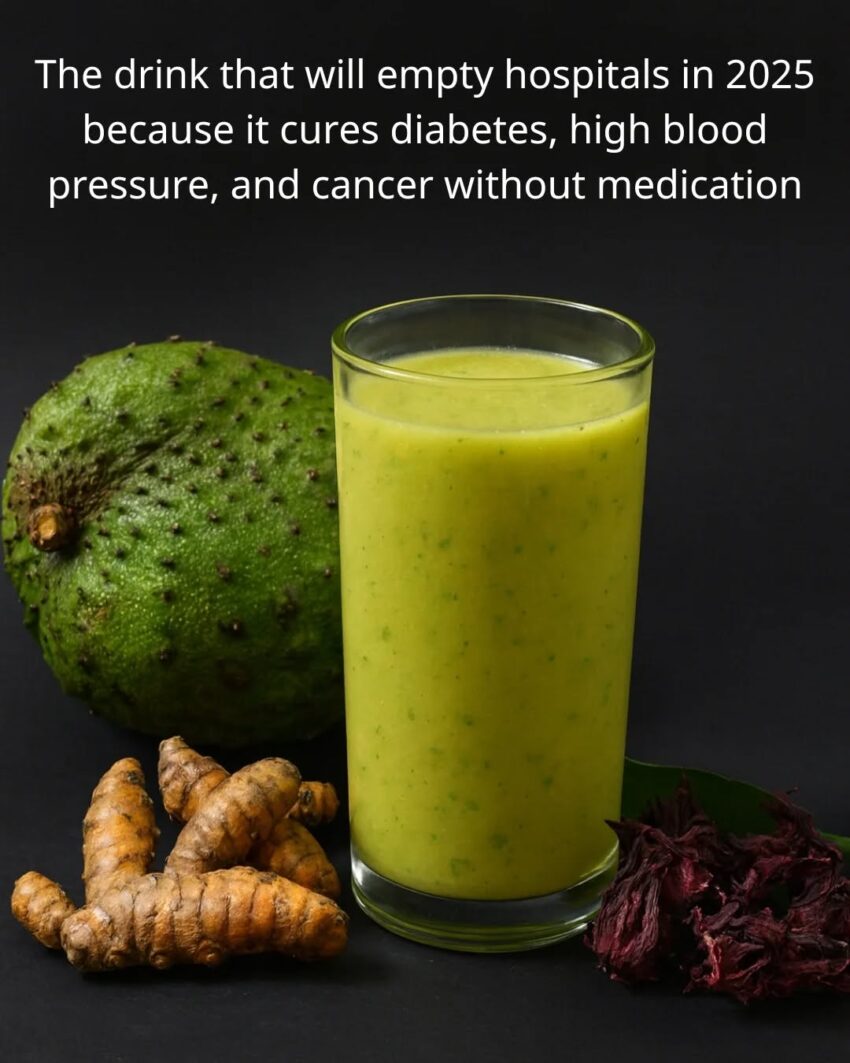
The term “miracle cures” refers to products, treatments, or remedies that claim to rapidly or completely cure serious diseases or health conditions, often without scientific evidence. ⚠️ It’s a red flag in medicine because these claims are usually too good to be true.
Here’s a clear breakdown:
Characteristics of “Miracle Cures”
- Bold promises – “Cures cancer in 24 hours” or “eliminates diabetes forever.”
- Lack of evidence – No peer-reviewed studies or clinical trials to support the claims.
- Secrecy or proprietary ingredients – The formula or method is “secret” or “exclusive.”
- Testimonials over science – Relies on stories instead of research.
- Expensive or heavily marketed – Often sold online, through infomercials, or aggressive ads.
Risks of Miracle Cures
- Health risks: Could be toxic, interact with other medications, or delay proper treatment.
- Financial loss: Can be very expensive without providing real benefits.
- False hope: May discourage people from seeking proven medical care.
How to Recognize a Scam “Miracle Cure”
- Promises instant results or “no side effects.”
- Claims to be suppressed by doctors or the government.
- Uses scientific-sounding jargon without real studies.
- Testimonials are vague, emotional, or unverifiable.
✅ Safe Approach
- Always check peer-reviewed studies or trusted medical sources.
- Consult a licensed healthcare professional before trying new remedies.
- Focus on evidence-based treatments: medications, lifestyle changes, surgery, or therapy that have proven benefits.
💡 Fun fact: Historically, many “miracle cures” were just herbal mixtures, tonics, or elixirs sold in the 1800s–1900s, long before modern medicine regulated treatments. Most had no actual therapeutic effect.
If you want, I can make a table of common “miracle cure” claims and what science actually says about them—it’s a great way to spot myths versus facts.
Do you want me to do that?
