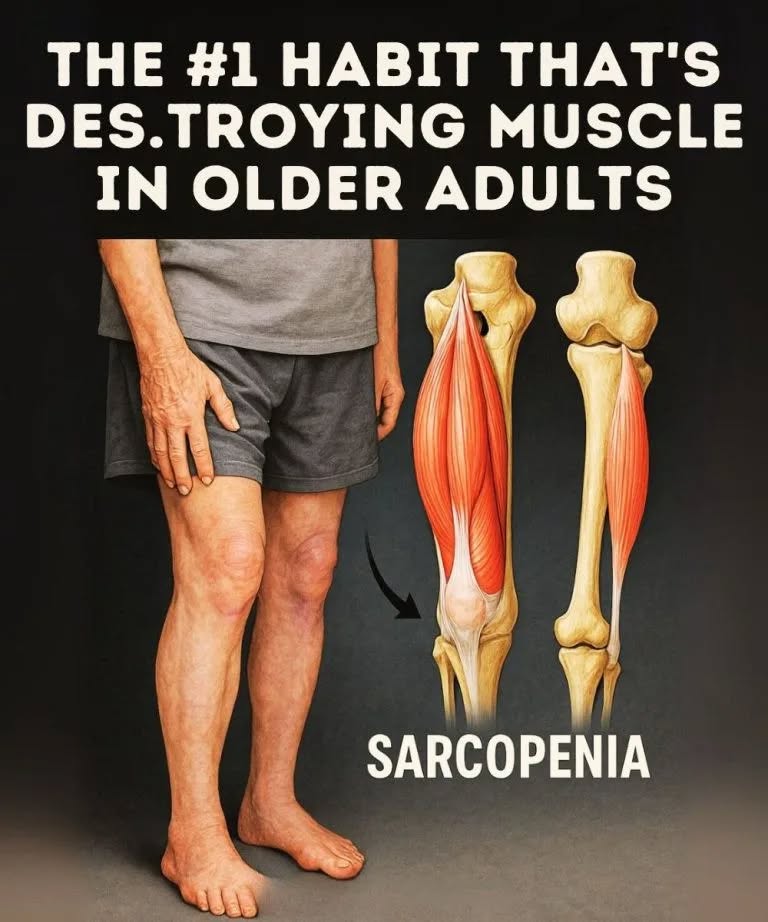
Sarcopenia is a condition characterized by loss of skeletal muscle mass, strength, and function, usually associated with aging. It can significantly impact mobility, independence, and overall quality of life. Here’s a clear breakdown:
What is Sarcopenia?
- Progressive loss of muscle mass and strength.
- Common in adults over 50, but can occur earlier with inactivity, malnutrition, or chronic illness.
- Sometimes called “age-related muscle wasting.””
Causes / Risk Factors
- Aging – Natural decline in muscle mass and strength begins in the 30s, accelerates after 50.
- Physical inactivity – Sedentary lifestyle accelerates muscle loss.
- Poor nutrition – Low protein intake, vitamin D deficiency, or malnutrition.
- Chronic illnesses – Diabetes, heart disease, kidney disease, or cancer.
- Hormonal changes – Lower levels of testosterone, estrogen, or growth hormone.
- Inflammation – Chronic low-grade inflammation can contribute to muscle breakdown.
Symptoms
- Muscle weakness, especially in the arms and legs
- Decreased stamina and endurance
- Difficulty rising from a chair, climbing stairs, or lifting objects
- Loss of muscle size (noticeable thinning of limbs)
- Increased risk of falls and fractures
Diagnosis
- Physical performance tests: Grip strength, walking speed, chair stand test.
- Muscle mass assessment: DXA scan or bioelectrical impedance analysis.
- Blood tests: Sometimes used to rule out other conditions.
Treatment and Management
- Resistance & strength training – Lifting weights or bodyweight exercises is most effective.
- Adequate protein intake – 1.2–1.5 g protein per kg body weight per day for older adults.
- Vitamin D & calcium – Support muscle and bone health.
- Physical activity – Aerobic exercise and balance training help maintain function.
- Medical management – In some cases, hormone therapy or medications may be considered under doctor supervision.
💡 Key Points
- Sarcopenia is preventable and treatable with lifestyle interventions.
- Early detection is important to maintain independence and reduce fall risk.
- Combining exercise, proper nutrition, and lifestyle changes yields the best outcomes.
If you want, I can make a simple table showing sarcopenia symptoms, causes, and recommended interventions, which is perfect for quick reference.
Do you want me to make that table?
