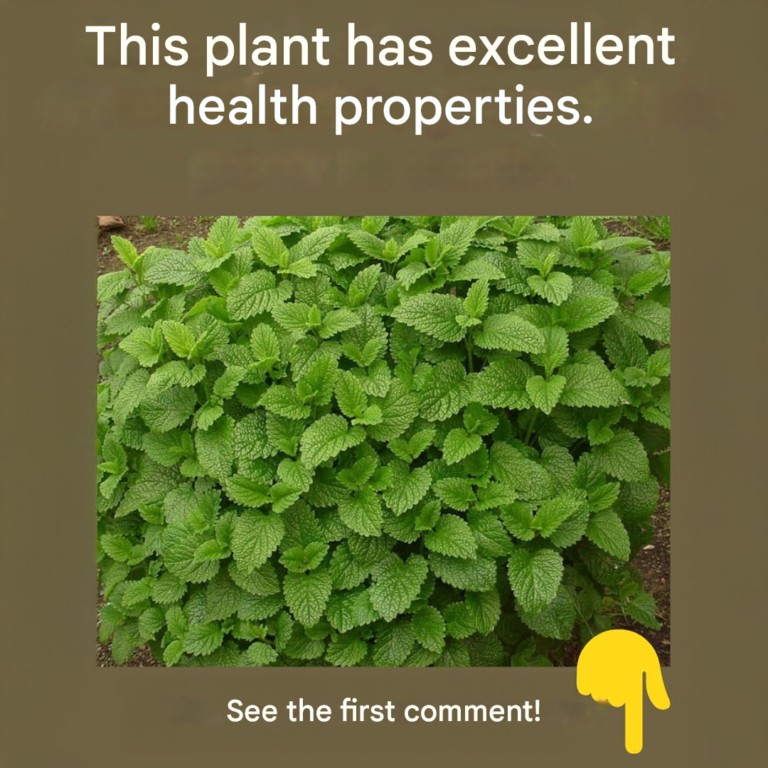
Here’s a detailed overview of Lemon Balm (Melissa officinalis):
Lemon Balm Overview
- Scientific Name: Melissa officinalis
- Family: Lamiaceae (mint family)
- Common Names: Lemon balm, balm, bee balm (not to be confused with Monarda species)
- Origin: Native to Europe, the Mediterranean, and Western Asia; now cultivated worldwide
Appearance
- Leaves: Bright green, ovate, slightly wrinkled with a lemony scent when crushed
- Flowers: Small, white to pale yellow, in clusters during summer
- Growth Habit: Perennial herb, grows 2–3 feet tall, spreads easily
Traditional & Modern Uses
- Calming & Relaxation:
- Used for mild anxiety, stress, and insomnia
- Often consumed as tea, tincture, or capsule
- Digestive Support:
- Helps reduce bloating, indigestion, and cramping
- Mild carminative (relieves gas)
- Cognitive Benefits:
- Some studies suggest it may improve mood, alertness, and memory
- Antiviral & Antimicrobial Properties:
- Laboratory studies indicate activity against herpes simplex virus and certain bacteria
- Topical creams sometimes used for cold sores
- Flavoring:
- Lemon-flavored culinary herb for teas, desserts, and salads
How to Use
- Tea: Steep 1–2 teaspoons of dried leaves in hot water for 5–10 minutes
- Tincture / Extract: Follow label dosing or professional guidance
- Topical Creams: For minor viral infections or skin irritation
- Cooking: Fresh leaves can flavor salads, sauces, or desserts
Precautions & Warnings
- Generally safe for most adults in culinary amounts
- May cause: Mild nausea or dizziness in high doses
- Medication interactions:
- Sedatives or thyroid medications—may amplify effects
- Pregnancy / Breastfeeding: Generally considered safe in small amounts; avoid high-dose supplements without professional advice
⚠️ Key Takeaway: Lemon balm is a gentle, multi-purpose herb valued for its calming, digestive, antiviral, and culinary uses.
I can also provide a step-by-step guide on making lemon balm tea or extract for relaxation and digestive support if you want.
Do you want me to do that?
