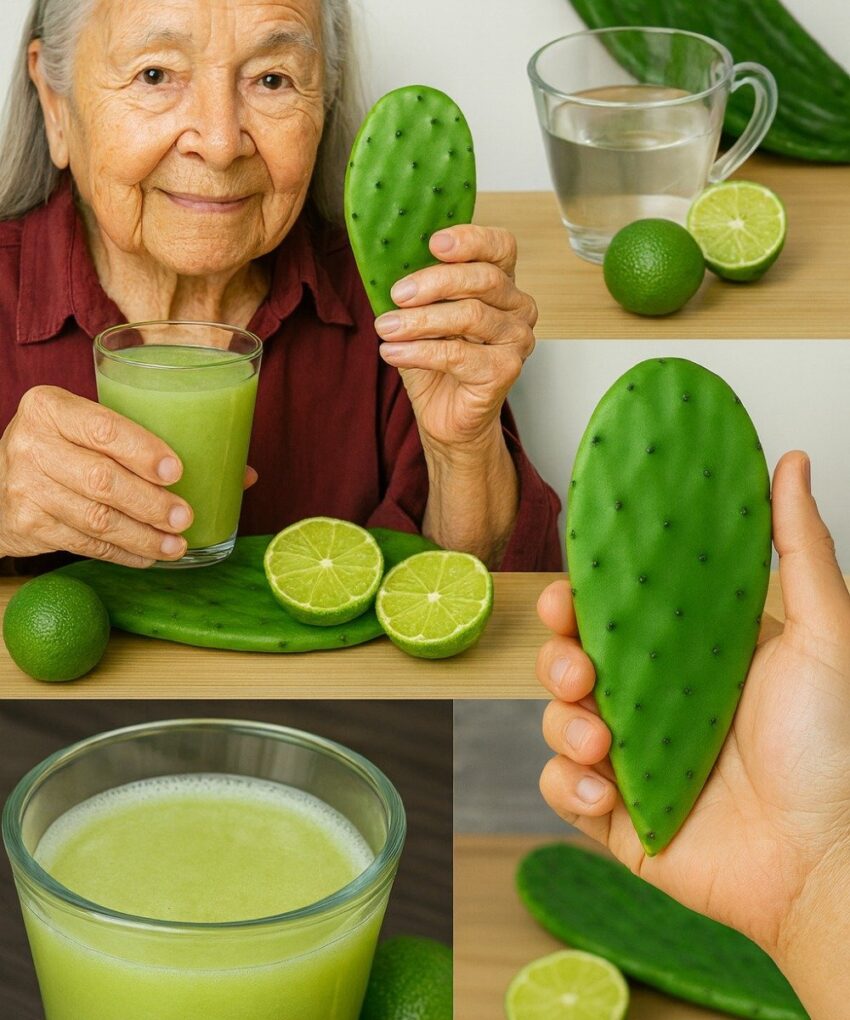
Nopal refers to the edible pads of the prickly pear cactus (genus Opuntia), widely used in Mexican and southwestern U.S. cuisine. It’s also known as cactus paddle or cactus leaf.
Description
- Flat, green, fleshy pads with small spines or “glochids.”
- When young and tender, they are ideal for cooking.
- The pads are typically harvested, de-spined, and sliced for culinary use.
Nutritional Benefits
- Low in calories and high in fiber.
- Rich in vitamins C, A, and K and minerals like magnesium and calcium.
- Contains antioxidants and compounds that may help regulate blood sugar.
Culinary Uses
- Fresh cooking
- Sliced and sautéed with onions, peppers, or eggs.
- Boiled or grilled
- Softens the mucilaginous texture; often served in salads or tacos.
- Juices and smoothies
- Blended for a slightly tangy, refreshing drink.
- Pickled
- Commonly used in Mexican cuisine as a condiment.
Preparation Tips
- Remove spines carefully using a knife or vegetable peeler.
- Rinse thoroughly to remove tiny glochids.
- Cooking reduces the slimy texture that raw nopal can have.
💡 Fun fact: Nopal is also used in traditional medicine for its potential anti-inflammatory and blood sugar–regulating properties.
If you want, I can give a simple, authentic Mexican nopal recipe that’s easy to make at home. Do you want me to do that?
