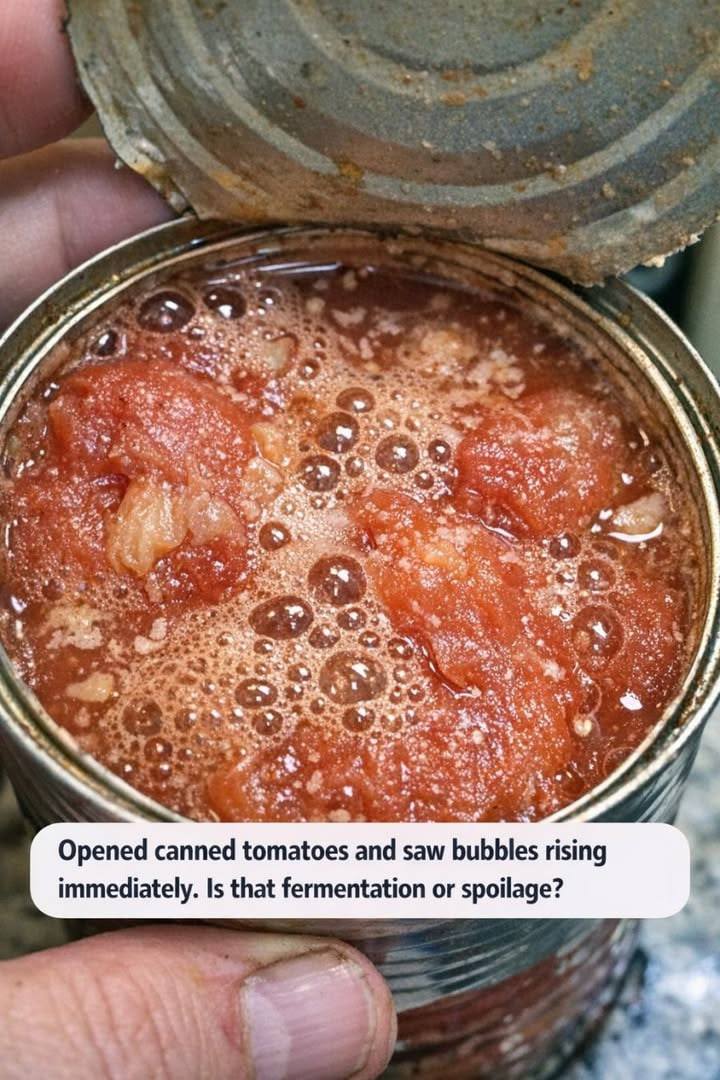
Sure! “Spoilage” refers to the process by which food, or other perishable items, deteriorate and become unsafe or unpalatable for consumption. It’s caused mainly by microorganisms, enzymes, and chemical reactions. Here’s a detailed breakdown:
1. Causes of Spoilage
- Microbial Activity
- Bacteria, yeasts, and molds break down food, producing off-flavors, odors, and sometimes toxins.
- Example: Bread mold, sour milk, slimy meat.
- Enzymatic Reactions
- Enzymes naturally present in food can continue to act after harvest or slaughter, leading to deterioration.
- Example: Browning of cut apples or avocados (polyphenol oxidase activity).
- Chemical Changes
- Oxidation or other chemical reactions can degrade food.
- Example: Rancidity in fats (oxidation of unsaturated fats), off-flavors in stored nuts or oils.
- Physical Damage
- Bruises, cuts, or broken packaging can allow microbes in or accelerate spoilage.
2. Signs of Spoilage
- Appearance: Mold, discoloration, sliminess.
- Smell: Sour, rancid, or unusual odors.
- Texture: Slimy, mushy, or sticky.
- Taste: Off-flavors or sourness (never taste food if spoilage is obvious—some microbes produce toxins that are harmful even in small amounts).
3. Types of Spoilage in Common Foods
- Fruits and vegetables: Softening, mold, browning.
- Meat and fish: Sliminess, foul odor, discoloration.
- Dairy: Sour smell, curdling.
- Baked goods: Mold growth.
4. Prevention of Spoilage
- Temperature control: Refrigeration and freezing slow microbial growth.
- Proper storage: Airtight containers, vacuum sealing, or using desiccants.
- Preservatives: Salt, sugar, vinegar, or chemical preservatives.
- Hygiene: Clean handling, washing produce, cooking meat to proper temperatures.
- Modified Atmosphere Packaging (MAP): Reducing oxygen around food to slow spoilage.
Spoilage is different from foodborne illness: not all spoiled food will make you sick, but it’s usually unsafe to eat.
If you want, I can also make a simple table showing different foods, how they spoil, and the best ways to prevent it, which makes it very easy to remember. Do you want me to make that table?
