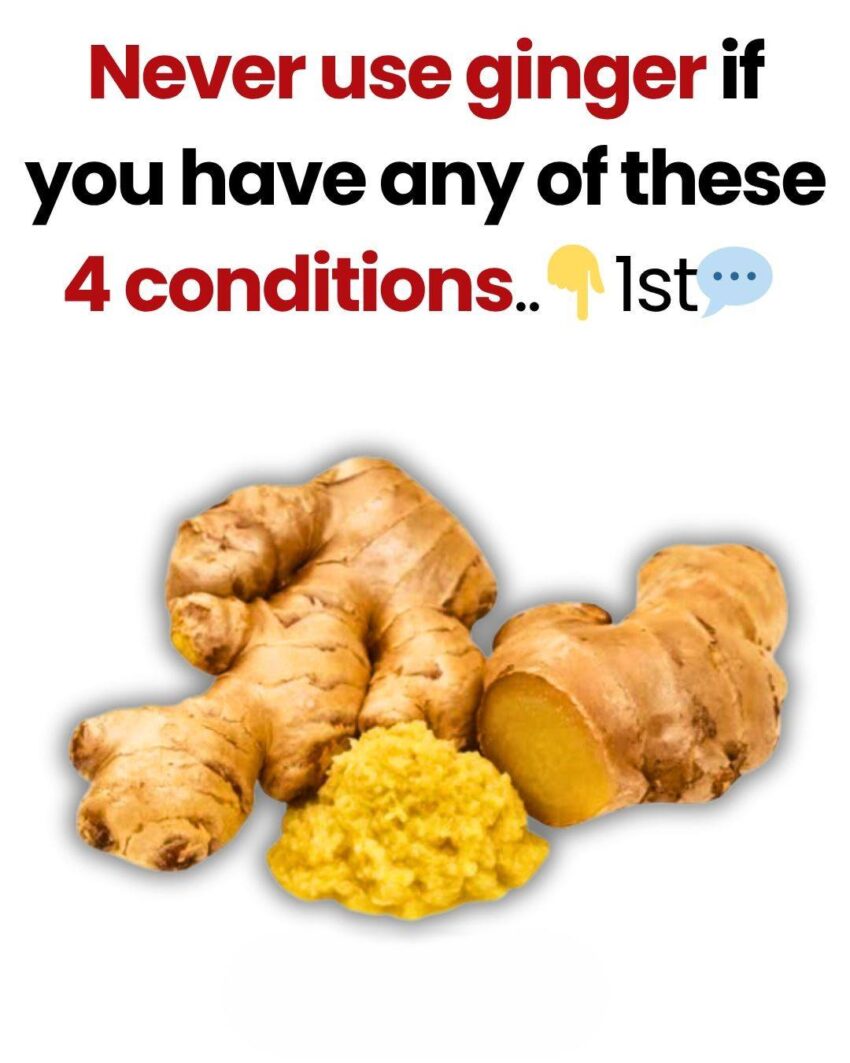
Here’s a careful overview of warnings and precautions related to ginger consumption, whether fresh, powdered, or in supplements:
1. Blood Thinning
- Effect: Ginger can have mild blood-thinning properties.
- Warning: People on anticoagulants (e.g., warfarin, heparin, aspirin) should consult a doctor before taking large amounts of ginger.
- Reason: May increase risk of bleeding or bruising.
2. Gastrointestinal Issues
- Possible Side Effects:
- Heartburn
- Stomach upset
- Diarrhea or bloating
- Note: Usually occurs with high doses (more than ~4 grams per day).
3. Low Blood Sugar
- Effect: Ginger can lower blood sugar slightly.
- Warning: People with diabetes or taking blood-sugar-lowering medications should monitor glucose to avoid hypoglycemia.
4. Pregnancy Considerations
- Use: Ginger is sometimes used for nausea and morning sickness.
- Warning: Large amounts may increase risk of bleeding; moderate amounts (≤1–2 grams daily) are generally considered safe. Always consult a healthcare provider.
5. Interactions with Medications
- Anticoagulants / antiplatelets: Warfarin, aspirin, clopidogrel
- Blood pressure medications: Ginger may mildly lower blood pressure, which could amplify the effect
- Diabetes medications: Risk of hypoglycemia if combined with insulin or oral hypoglycemics
6. Allergic Reactions
- Rare, but some people may develop:
- Rash
- Itching
- Respiratory symptoms
7. Dosage Guidance
- Safe typical amounts:
- Fresh ginger: 1–2 grams per day
- Powdered ginger: ~0.5–1 gram per day
- Supplements: Follow label instructions and consult a doctor if you have underlying health conditions.
⚠️ Key Takeaway: Ginger is generally safe in culinary amounts, but high doses or supplements can interact with medications and cause digestive issues. Consultation with a healthcare provider is advised for people with bleeding disorders, diabetes, or pregnancy.
I can also make a quick table of ginger warnings, interactions, and safe dosages for easy reference if you want.
Do you want me to do that?
